THERAPIST FOR ANXIETY, TRAUMA, AND BODY IMAGE IN NYC

Where Therapy feels different
Hi, welcome, meet Olivia
After years of working with women navigating anxiety, trauma, chronic overthinking, and the feeling that they're somehow falling short, I've noticed something important. Most aren't looking for more advice or another explanation. They're looking for relief from the constant mental noise, the tightness in their chest before difficult conversations, the knot in their stomach after hitting send, and the feeling that they can never quite relax.
I've found these patterns aren't signs that something is wrong with you. Usually, they're signs that your mind and body have been working overtime, trying to protect you. Together, we'll help those protective patterns loosen their grip so you can spend less time analyzing your life and more time living it.
That might look like leaving a difficult conversation without carrying it around for the rest of the day or noticing the tightness in your chest and the pit in your stomach begin to soften.
I integrate EMDR, somatic therapy, and Internal Family Systems (IFS), but at the heart of my work is helping your mind and body experience something different, so change isn't just something you understand; it's something you begin to notice in your everyday life.

You might be a good fit If...
The women I work with come to therapy for many different reasons. Some are navigating exhausting anxiety. Others are healing from trauma, struggling with body image, feeling stuck in painful relationship patterns, or carrying a quiet sense that they're not enough.
What they have in common is a desire for something deeper than coping skills alone. They want therapy that creates lasting change they can actually feel, helping their mind quiet, the pit in their stomach soften, and respond to life with greater ease.
Whether you're new to therapy or returning because you're looking for a different experience, this work is about helping you move through conflict without questioning your worth, tolerate uncertainty without spiraling, and trust yourself more than you trust fear.
I also work with therapists and other helping professionals who spend their days supporting others while quietly questioning themselves. If that sounds like you, you can read more about therapy for therapists here.
I work with women across NYC- Manhattan, Brooklyn, Queens & Staten Island via an online platform. Reach out for a free consultation with a therapist for anxiety and trauma.
The Therapy Experience in NYC with Olivia Korn, LCSW

What it’s like to work with me
Clients often tell me that working with me feels different from what they expected therapy to be. I'm thoughtful and deeply attentive, noticing patterns you may not see, asking questions that help us go deeper, and gently guiding you toward the moments where meaningful change can happen.
Our sessions won't just stay in conversation. Sometimes we'll slow down and notice what's happening in your body alongside your thoughts. We might pause when you notice a tightness in your chest, a knot in your stomach, or a familiar wave of self-criticism. Those moments are often where lasting change begins.
Over time, clients often notice they recover more quickly after difficult moments, feel less pulled around by anxiety, and spend less energy fighting themselves. Change begins to feel less like something you have to force and more like a natural way of moving through your life.
My training and background
My work draws from EMDR, somatic therapy, Internal Family Systems (IFS), and attachment-based approaches. Rather than relying on a single model, I integrate these approaches to meet you where you are, whether we're working with anxious thoughts, unresolved trauma, difficult emotions, or the ways stress and past experiences are held in your body.
Alongside advanced training in these approaches, I bring over a decade of clinical experience, a Master's in Social Work from Columbia University, and experience teaching trauma-informed, somatic psychotherapy at Columbia University. My goal is to provide therapy that is deeply attuned, thoughtful, and grounded in approaches that create lasting change.
A Bit More Personally
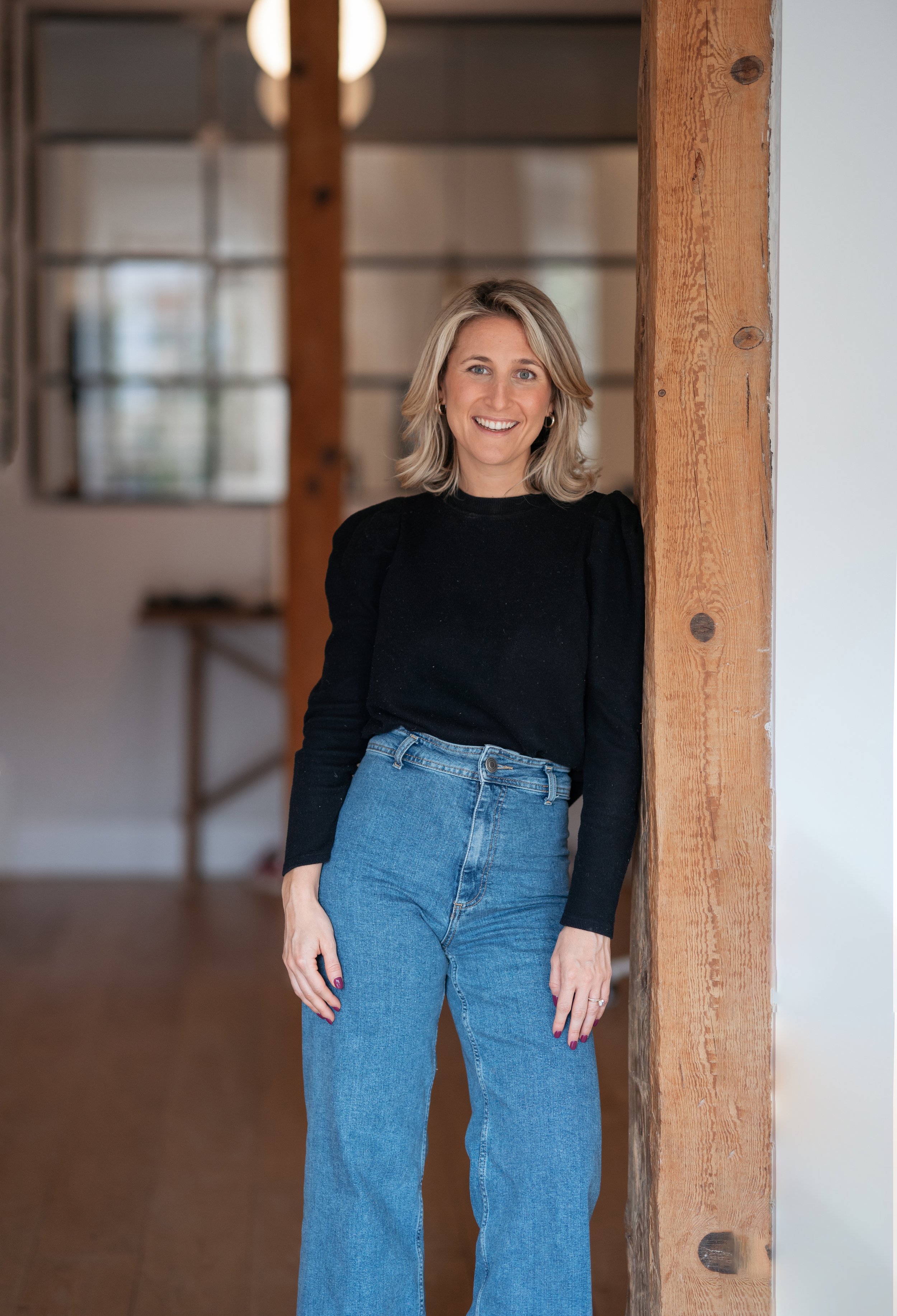
Hi, welcome! I am Olivia, your online NYC therapist!
Outside of the therapy room, I’m drawn to connection, curiosity, and the kinds of moments that bring people together.
More casually, you can usually find me trying a local coffee shop, checking out a new neighborhood restaurant with family or friends, or searching for a space to move and reset, whether that’s a yoga class or a walk through the nearest park. I love a comfort TV series that helps me fully switch off, and I treat browsing Google Flights a bit like a hobby while imagining future trips.
Living abroad, including in Spain, and being part of multicultural communities has deeply shaped the way I understand identity, relationships, and belonging. I value travel, meaningful conversation, reflection, and the grounding (and joy) that comes from spending time with the people I love.
I’m probably also saving too many restaurants to my “want to try” list and will rarely turn down a long dinner, a good walk, or a conversation that goes a little deeper than small talk.
These experiences naturally inform the way I show up in my work: with openness, curiosity, and deep respect for each person’s unique story.
The Process With Your Therapist for Anxiety and Trauma in NYC

01. Book a Consultation
A free 15 minute, no-pressure call to get a sense of what’s bringing you in and what you’re looking for.
We’ll talk through your current challenges, answer any questions you have, and see if working together feels like a good fit.
02. Start Online Therapy for Trauma and Anxiety in New York
Our work begins by creating a space where you can slow down and feel more supported in what you’re experiencing.
We’ll explore patterns related to anxiety, trauma, and relationships at a pace that feels manageable—building awareness, safety, and a stronger connection to yourself over time
03. Creating Lasting Change
As we continue, we move beyond just talking and into deeper, experiential work.
Using approaches like somatic therapy, EMDR, and parts work (IFS), we’ll focus on how your experiences live in your body and nervous system—so change becomes something you feel and carry into your daily life.
Qualifications & Training
Education
Graduated from Columbia University School of Social WorkTeaching Experience
Taught a trauma-informed somatic therapy course at Columbia UniversitySomatic & Trauma Training
Somatic Experiencing (in progress)
EMDRView my profile with the EMDR International Association (EMDRIA) → here
Trauma Resiliency Model (TRM)
Comprehensive Resource Model (CRM)Relational & Integrative Approaches
AEDP Immersion
AEDP for Treating Eating DisordersIFS Training
Experiential IFS Therapy Workshop
Internal Family Systems (IFS) for Eating Disorders
Across all of my training, my focus remains on supporting clients in working through anxiety and trauma in a way that feels compassionate and connected to the body, not just the mind.

Start Your Anxiety and Trauma Therapy in NYC!
Life can feel overwhelming, messy, and surprisingly lonely sometimes. Online therapy with Olivia in NYC offers a space to pause, reflect, and reconnect with yourself in a more meaningful way.
If you’re looking for a therapist who brings warmth, curiosity, and authenticity into the room (along with the occasional gentle humor), I’d love to connect.